
People often talk about Char Dham Yatra as if it is just another trip. Anyone who has actually done it knows that is not true. This journey asks for time, patience, and a certain kind of mental readiness. Roads are long. Weather changes suddenly. Plans shift. That is normal here.
In the last few years, more pilgrims have started choosing to do Char Dham Yatra by taxi. Not because it sounds fancy, but because it makes sense. When travel becomes easier, the mind stays calmer. And for a journey like this, that matters.
This guide is not written to sell anything. It is written to help you understand what Char Dham Yatra by taxi really feels like in real conditions, especially if you are planning for 2026.
What Char Dham Really Involves
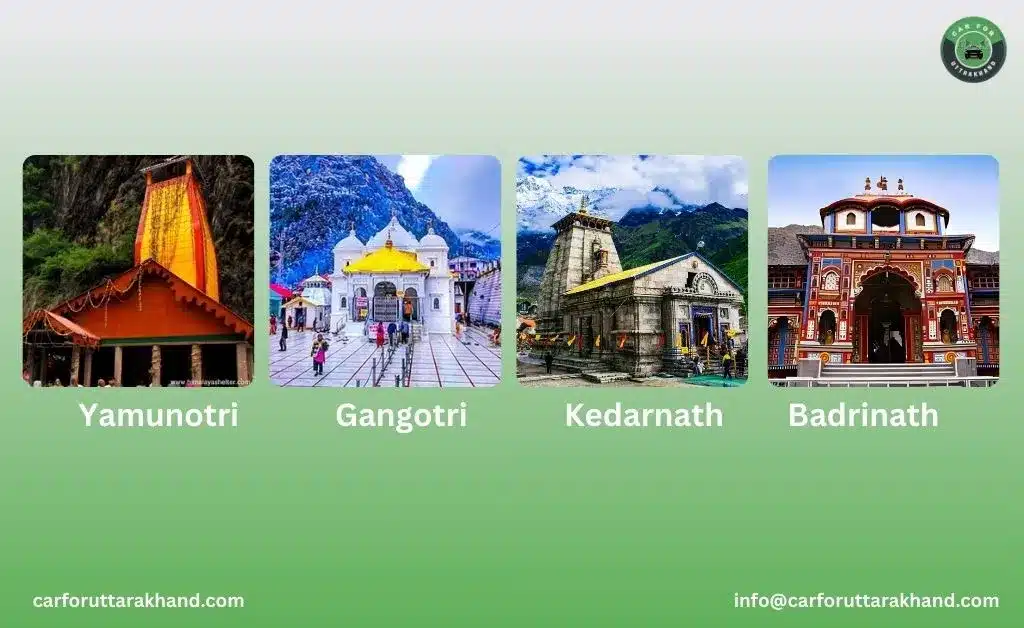
Char Dham includes Yamunotri, Gangotri, Kedarnath, and Badrinath. These are not close to each other in a straight line. They sit deep in the mountains, connected by roads that twist, climb, and slow you down whether you like it or not.
Most people start from Haridwar, Rishikesh, or Dehradun. From there, the route moves slowly into the hills. Days feel longer than expected. A drive that looks short on Google Maps can take almost a full day.
That surprises many first-time travelers.
Why Many People Choose Taxi Travel
Public buses do run on some routes. Shared vehicles exist too. But during Char Dham season, these options come with waiting, crowding, and strict timings. That works for some people. It does not work for everyone.
Taxi travel gives you control over small but important things:
- When to start the day
- When to stop
- How long to rest
- How fast to move
For elderly pilgrims, families, and people visiting for the first time, this control reduces stress. You don’t feel like you are racing against a timetable. You move when your body allows it.
That is the real advantage.
The Order of Visiting the Dhams
Traditionally, people visit Yamunotri first, then Gangotri, then Kedarnath, and finally Badrinath. This order is not random. It follows the geography of the region and helps the body adjust slowly to altitude.
Taxi travel makes it easier to follow this order without confusion. You don’t have to worry about missed connections or unavailable transport.
How Long the Journey Actually Takes
Many websites say Char Dham can be done in 7 days. Technically, maybe. Practically, that is exhausting.
Most people need 9 to 12 days. Some take even longer. Weather delays, road repairs, or health breaks are common. When traveling by taxi, adding buffer days makes the experience far more comfortable.
Rushing this journey rarely ends well.
Kedarnath: The Part That Needs the Most Planning
Kedarnath is different from the other dhams. You cannot drive all the way. The road ends at Gaurikund. From there, the trek begins.
Some people walk the full distance. Some use ponies or palki. Some choose helicopters. Each option has its own challenges.
Taxi travel helps here because you can rest properly before and after the trek. You are not fighting exhaustion from public transport before even starting the climb.
Most experienced travelers keep at least one extra day around Kedarnath. That decision often makes or breaks the journey.
Choosing the Right Time in 2026
Char Dham usually opens around late April or early May. The exact dates depend on weather and temple announcements.
May and June are busy. Very busy. Roads stay open, but crowds increase.
July and August bring rain. Landslides happen. Delays are common. Some people still travel during this time, but patience is required.
September and October are quieter. Weather improves. Many people feel this is the best time.
Winter is not an option. Roads close. Temples shut.
Taxi travel allows better adjustment if weather conditions force a change in plans.
A journey of faith deserves thoughtful travel planning.
Plan Char Dham YatraVehicles Matter More Than People Think
Not every vehicle handles mountain roads the same way. Comfort is not about luxury here. It is about suspension, seating, and reliability.
Long hours in a badly maintained car can drain energy quickly. That’s why people often prefer SUVs or comfortable vehicles for Char Dham taxi travel.
More space, steadier drive, and less fatigue make a difference over many days.
Health, Altitude, and Reality
Char Dham travel involves altitude changes. Headaches, breathlessness, and tiredness are common, even for healthy people.
Taxi travel reduces physical strain because you walk less, wait less, and rest more. Still, preparation matters:
- Carry medicines
- Eat lightly
- Drink water regularly
- Sleep whenever possible
People often underestimate how tired they will feel. Planning slow days helps.
Registration and Documents
Char Dham registration is mandatory. This is usually done online. Keep your documents ready. Network connectivity in the hills is unreliable, so screenshots and printouts help.
Taxi drivers usually guide routes, but paperwork remains your responsibility.
Staying Overnight on the Route
Accommodation options are basic in many places. That is normal. Expect simple rooms, not luxury.
Taxi travel allows flexibility in choosing where to halt. If one place feels too crowded, you can stop earlier or continue further, depending on energy levels.
This flexibility is often what travelers appreciate most.
Cost: A Practical View
Yes, taxi travel costs more than buses. But the cost also includes comfort, time saved, and energy preserved.
For many pilgrims, especially families, the cost feels justified after the journey ends.
Is Char Dham by Taxi the Right Choice?
It works best for people who:
- Want control over their schedule
- Are traveling with elders
- Prefer rest over rushing
- Want fewer surprises
It may not suit those looking for the cheapest possible option.
Final Thoughts
Char Dham Yatra is not about finishing quickly. It is about completing it with dignity and calm.
Taxi travel does not change the mountains. It simply helps you move through them with less struggle.
If you plan realistically, accept delays, and respect the journey, Char Dham Yatra in 2026 can be meaningful, safe, and deeply satisfying.
Car for Uttarakhand helps pilgrims plan steady journeys with practical understanding of Uttarakhand routes.